Exploring the Various Sorts Of Armoured Cable and Their Applications
Armoured wires are crucial elements throughout different industries, using protection and dependability. Various types, including Steel Wire Armoured (SWA) and Aluminium armoured wires, provide to certain demands based on setting and application. Insulation materials like PVC and XLPE further improve their efficiency. Comprehending these distinctions is important for picking the right wire. The ramifications of these options can significantly influence operational effectiveness and security in diverse sectors. What variables should one think about when making such decisions?
Overview of Armoured Cord Kind
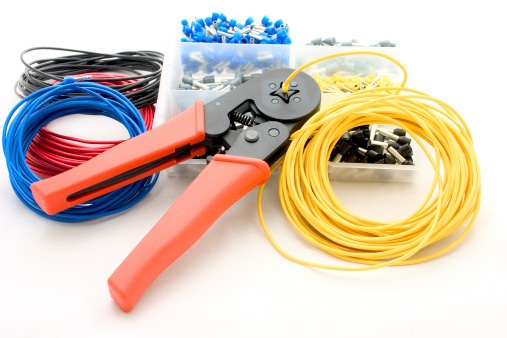
As an example, the PVC armoured cable is generally utilized in outdoor atmospheres as a result of its resistance to wetness and chemicals. The XLPE armoured cable television, with cross-linked polyethylene insulation, is identified for its high thermal security and electrical efficiency, making it appropriate for commercial settings. Another kind is the AWA (Light Weight Aluminum Cord Armoured) cord, commonly used in below ground installations where light-weight residential properties are advantageous. Understanding the numerous armoured wire kinds makes it possible for professionals to choose the most suitable option for their certain requirements, making sure safety and integrity in electric systems.
Steel Cord Armoured (SWA) Cord
Steel Wire Armoured (SWA) cable is a robust remedy designed to stand up to rough ecological problems and mechanical stress and anxiety. This type of cable television includes a layer of steel wire that gives considerable security versus influence, wetness, and chemical direct exposure, making it perfect for industrial and exterior applications - armoured cable. The building and construction commonly contains a copper or aluminium conductor, insulated with PVC or XLPE, and bordered by a steel cable armour layer
SWA wires are widely utilized in power distribution networks, where their resilience guarantees trustworthy service in tough setups. They are often used in underground installments, building sites, and areas where cable televisions could be based on physical damage. Additionally, SWA cords sustain both reduced and high voltage applications, enhancing their versatility. Their capability to withstand deterioration and mechanical wear makes them a recommended selection for numerous designers and service providers when selecting cable remedies for requiring settings.
Aluminium Armoured Cord
Aluminium armoured cord supplies a light-weight yet resilient alternative to traditional steel cable armoured wires, making it suitable for numerous applications. This type of cord is generally used in commercial and commercial setups, where adaptability and convenience of setup are critical. Its reduced weight promotes handling, lowering the labor expenses connected with installment.
Aluminium armoured wires are particularly useful in environments that call for protection against mechanical damages, dampness, and chemical exposure. They are usually employed in power distribution, underground installments, and outside applications, showcasing their versatility. In addition, the rust resistance of aluminium enhances the longevity of the wire in severe conditions.
Making use of aluminium additionally adds to cost-effectiveness, as it is normally less costly than steel. armoured cable. Overall, aluminium armoured cable television represents a practical choice for requiring electric systems, incorporating efficiency, defense, and economic advantages
PVC vs. XLPE Insulated Armoured Cables
When comparing shielded armoured cable televisions, PVC (Polyvinyl Chloride) and XLPE (Cross-Linked Polyethylene) stand apart as two favored products, each offering unique advantages for particular applications. PVC is known for its exceptional mechanical properties and cost-effectiveness, making it a prominent choice for general-purpose electrical wiring. It supplies excellent insulation and resistance to chemicals, though it may have constraints in temperature tolerance and adaptability. On the other hand, XLPE boasts exceptional thermal resistance and appropriates for higher temperature environments, making it suitable for applications needing high performance and durability. XLPE insulation likewise enhances electrical homes, supplying lower dielectric loss and enhanced energy efficiency. While PVC cable televisions are typically made use of in industrial and domestic setups, XLPE wires are preferred in industrial and energy settings where effectiveness and reliability are critical. Inevitably, the option between PVC and XLPE depends on the particular needs of the installation atmosphere and the desired efficiency features.
Applications of Armoured Cables in Numerous Industries
Armoured wires, with their durable building and my link construction and safety click here now attributes, discover substantial usage across numerous sectors. In the building and construction field, they provide trustworthy electric connections in severe environments, ensuring safety and security and resilience. The telecommunications sector utilizes armoured cables to protect data transmission lines from physical damages, particularly in outside setups. In mining and quarrying, these wires are essential for powering hefty equipment and tools, where exposure to rough problems prevails. Furthermore, the oil and gas sector utilizes armoured cords to keep operational honesty in challenging atmospheres, including overseas platforms. The renewable resource industry likewise advantages, as these cable televisions are substantial for wind and solar ranches, connecting different components while withstanding environmental stress factors. Overall, armoured cables are critical for making certain continuous service, safeguarding framework, and enhancing operational efficiency throughout diverse applications.

Regularly Asked Questions
Exactly how Do I Select the Right Armoured Cord for My Job?
Picking the appropriate armoured cable television entails evaluating task specifications, consisting of ecological problems, electrical load needs, and setup area. Consulting industry criteria and seeking specialist suggestions can also ensure suitable option for security and effectiveness.
Can Armoured Cables Be Used Outdoors and Underground?
Armoured cable televisions can indeed be made use of outdoors and underground. Their durable building shields versus environmental factors, moisture, and physical damages, making them ideal for numerous installments, consisting of those revealed to severe climate condition or below ground environments.
What Is the Life-span of Armoured Cables?
Armoured cable televisions generally have a life expectancy of 25 to 30 years, relying on ecological conditions and installment techniques. Proper maintenance and protection from severe conditions can even more improve their sturdiness and long life.

Are Armoured Cables Resistant to Chemical Exposure?
Armoured cords show varying levels of resistance to chemical exposure, relying on their insulation products. Usually, particular kinds withstand chemicals better than others, making it vital to select proper cables for details settings and applications.
Exactly How Do Armoured Wires Deal With Temperature Fluctuations?
Armoured wires are created to hold up against temperature level fluctuations efficiently. Their robust building and construction allows them to keep performance and insulation integrity throughout varying temperature levels, making them appropriate for diverse settings and decreasing the risk of damages.
Various kinds, including Steel Cord Armoured (SWA) and Aluminium armoured cords, cater to specific needs based on environment and application. Armoured wires look at this website are crucial parts in numerous electric setups, providing enhanced security versus mechanical damage and ecological aspects. Aluminium armoured wire supplies a lightweight yet long lasting choice to traditional steel wire armoured cables, making it appropriate for various applications. When contrasting shielded armoured cable televisions, PVC (Polyvinyl Chloride) and XLPE (Cross-Linked Polyethylene) stand out as two extensively previously owned materials, each offering unique benefits for specific applications. While PVC cords are typically used in business and residential setups, XLPE cords are favored in commercial and energy settings where effectiveness and dependability are extremely important.